

 Back to Articles
13 October 2026
By Matthew Fuss
My Work Injury Has Caused Problems Elsewhere in My Body. Can I Claim for That?

Share



Many workers expect that once they have injured one part of their body, their workers compensation claim will focus solely on that injury.
But workplace injuries are not always that simple.
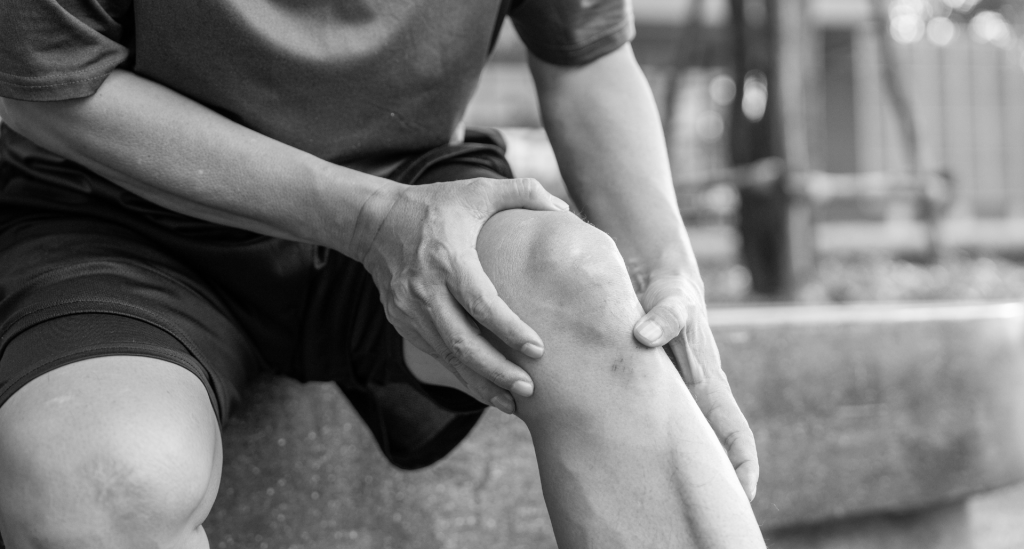
You might have injured your left knee at work and now find yourself experiencing pain in your right knee. You may have injured your back and developed symptoms in your legs. Or perhaps treatment for your original injury has led to other physical health problems.
If this sounds familiar, you are not alone. In some cases, a workplace injury can lead to additional physical conditions that may need to be taken into account when assessing your workers compensation entitlements.
How can one injury affect another part of the body?
When part of the body is injured, other areas often work harder to compensate.
For example:
- A worker with an injured left leg may place more weight on the right leg.
- A shoulder injury may cause a person to overuse the other arm.
- A back injury may cause changes in posture or walking patterns.
- Pain medication or treatment for an injury may result in other physical complications.
Similarly, treatment for a workplace injury may lead to other physical conditions, such as digestive or dental problems.
Lawyers and insurers sometimes refer to these as “secondary”, “consequential” or “sequalae” injuries/conditions, but most injured workers simply know that they have developed additional problems because of their original work injury.
Does it matter for my workers compensation claim?
Potentially, yes.
When workers pursue lump sum compensation for permanent impairment, all relevant injuries and conditions arising from the workplace injury should be considered.
This is important because a workplace injury is not always limited to a single body part. Additional symptoms or related conditions may contribute to the overall impact of the injury on your life and functioning.
Why is it important to identify all injuries?
One of the key requirements for a permanent impairment assessment is that your condition has reached stability.
If multiple body parts or conditions have been affected by the workplace injury, stability must be reached in relation to all of those conditions before the assessment proceeds.
What should I do if I develop new symptoms?
If you begin experiencing problems in another part of your body after a workplace injury, you should:
- Tell your treating doctor about the new symptoms.
- Seek appropriate medical treatment.
- Keep records of any diagnosis and treatment.
- Obtain advice about whether the condition may be related to your workplace injury.
The earlier these issues are identified and recorded, the easier it may be to ensure they are properly considered as part of your claim.
Don’t assume the insurer already knows
Many injured workers assume that if a condition is related to their workplace injury, it will automatically be considered by the insurer.
Unfortunately, that is not always the case.
If your injury has led to additional symptoms or physical complications, it is important to ensure those issues are properly documented and understood before important decisions are made about your claim or any permanent impairment assessment.
How Can Andersons Help?
Workplace injuries can have far-reaching effects that are not always obvious at the beginning.
If you have injured one part of your body and are now experiencing problems elsewhere, our Workers Compensation team can help you understand whether those additional conditions may be relevant to your claim and how they may affect your entitlements. Contact us to arrange your first free consultation.
Book an appointment with Matthew
Your enquiry is private and secure.
More articles about Personal Injury Claims

13 October 2026
Do I have a Medical Negligence Claim?
Read More


13 October 2026
Permanent Impairment Assessments: Why Choosing the Right Accredited Doctor Matters
Read More

13 October 2026
Permanent Impairment Assessments: What Every Injured Worker Should Know
Read More
13 October 2026
Slip and Fall Compensation Claims: Do I Qualify?
Read More